*credits at the end
Unit 1: The Power of Story and People
I have never really thought about the power that a story has until I read a Roald Dahl story. His books where one of the first books I started reading, and one that I really remember is the Fantastic Mr. Fox. After reading that story, I knew it had power because it made me feel as if I were experiencing the story, and it made me want to read more. When I first read one of his books, I loved it so much I asked my mom to buy the whole collection, and read one book per day by myself. I knew it had power because it changed me. It brought a sense of familiarity and warmth to me, and that is why in Humanities, when I first heard our first unit, Unit 1: The Power of Story and People, this was the first thought that came to me. I was excited to start this unit, because I LOVE reading. I read for that sense of familiarity, to know that I am not alone. To give meaning to my life, and the learn new things. Reading will always be one of my passions.
“What do stories tell us about culture?”
Good stories are the ones who teach us something, who show us one of the meanings of life. Over the first quarter, we read some stories that gave us light about different cultures. We looked into different forms of civilizations, mostly in the past, compared to us. To find out more about the different cultures, we started a GRAPES list. After reading some stories, we had to reflect back to see how they relate to the different categories: Geography, Religion, Achievements, Politics, Economics, and Social Structure. This helped us point out the important parts of thes troy that portray information about the culture.
However, to understand this, we need to know what “culture”really means. A culture cannot be describe in simply just words, since it is so much more than that. Culture is what you believe in, as well as your society/community. It’s what you believe is the best thing to do, and affects the way you live. Culture can affect your way of eating, walking, talking, etc. Sometimes your culture can even define you, and can help you find your true self. It distinguishes a society from another. “A nation’s culture resides in the hearts and in the souls of it’s people”. - Mahatma Gandhi
In our first unit in Humanities, I have studied the following cultures: Greek , Hawaiian ,and Mesopotamia.
We read the story Hiiaka which taught me about Hawaiian culture. I learned different things about their culture, through GRAPES.
Geography: Volcanoes, ‘Ohi’a trees, Islands, Agriculture, Caves, Bush, Moss, Rain, Fog, Jungle, Seas. The geography tells us about their culture through their limitations. For example, since they have a lot of Islands, maybe their culture gets most of their resources from the Sea. That could change their food, and enforce their achievements. They probably really looked in to the making of boats or transportations over sea.
Religion: They believe that gods can bring back life. Evil demons and good Gods. God of fire. God of ferns. This can tell us about what they believe in, and what their core values are. It shows us what they base their lives on. Since they believe in evil spirits, maybe that means that they were faced with bad consequences, and since the Gods helped them through, they called them the “good” guys.
Achievements: Hula, Lei making, Oral Folklore, Weapons made out of natural resources. Their achievements show us how advanced they are, and gives us a meaning of what time this story happened in. This helps us understand what resources were available to them.
Economics: Reward each other in peace/love. In this case, this shows us that they don’t value riches and money, but love and peace. This shows us how important these things were, and how they still should be now. We should do things out of peace and love, but other cultures might not believe the same thing.
Social Structure: Gods are a little bit higher than mortals, Village Chiefs, Gods love mortal, Mortals and Gods marry.
Why do enduring stories survive over time?
Well, why do stories last? For example, why did we read a story about something that happened 4000 years ago (Gilgamesh)? Through my eyes, it would be to learn about culture, and about the history of our planet. To know what has and what hasn’t worked, so that we can try things again, and not make the same mistake. To learn why things work, and where things came from, so that we can improve on them. We learn about our past to learn in the present, and renovate the future.
In my opinion, a story would need to last about 100 years and pass through 3 generations for a story to be considered enduring. Not all stories have to be as old as Gilgamesh, but to be considered enduring, they should at least be passed down 3 generations, and should be known to most.
Why have these stories endured until today? Why not any others? I think it is because of the story elements. The story needs to be clear and evident in meaning, therefore easier to understand, even being passed along through generations.
After reading a series of myths, fables, and ultimately Gilgamesh, I believe that there are 3 qualities a story must have for it to survive the test of time. One: The Background information. We have to be informed of where the story takes place, as well as the other GRAPES characteristics. Two: The story has to teach us something, or have a “so what” to it. If we remember the “moral”, then the story will be said out as a life lesson, or an inspirational story. It has to change something in people. “If a story is not about the hearer he will not listen. And here I make a rule–a great and interesting story is about everyone or it will not last.” -John Steinbeck. Three: The story shouldn’t be too long. It has to be an organized, short story, that can be told by memory. If stories are too long, people will start forgetting more and more of the story, until it finally vanishes, and is no longer enduring anymore.
Overall, I really enjoyed this unit. As I said, I LOVE reading, so this was an amazing experience for me to reflect on not only these books, but in my own books. I hope we continue with the idea of reading and stories this year,
and am looking forward to this next quarter. Humanities is looking great!
Here is a reminder of some of the texts and resources we have discussed:
6 Word Memoirs
- Smith Magazine encourages Hemingway’s passion for the 6 word story: “For sale: baby shoes, never worn.”
Ancient Myths
- Persephone
- Cronus
- Hephaestus
- Ares
- Hades
- The Nine Muses
- Some of your own selection (from D’Aulaires’ Book of Greek Myths and online)
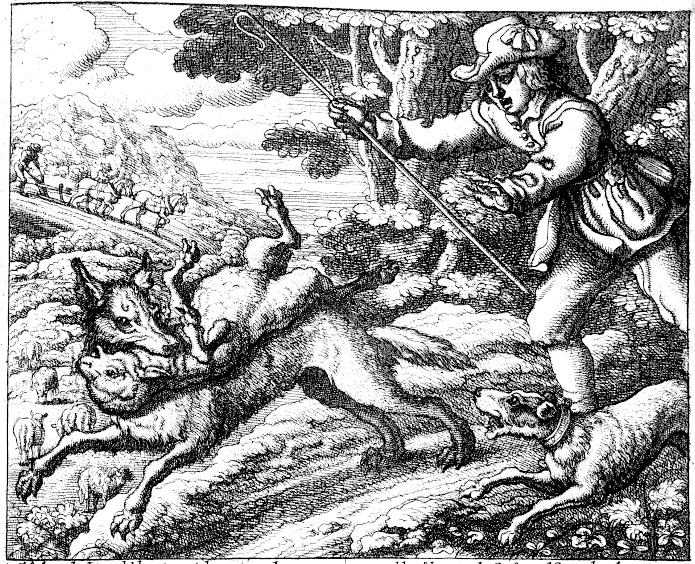
Fables
Non-fiction
Gigamesh
- Gilgamesh the Hero
*Link to images on Visual Slide:
Tree: prezi.com
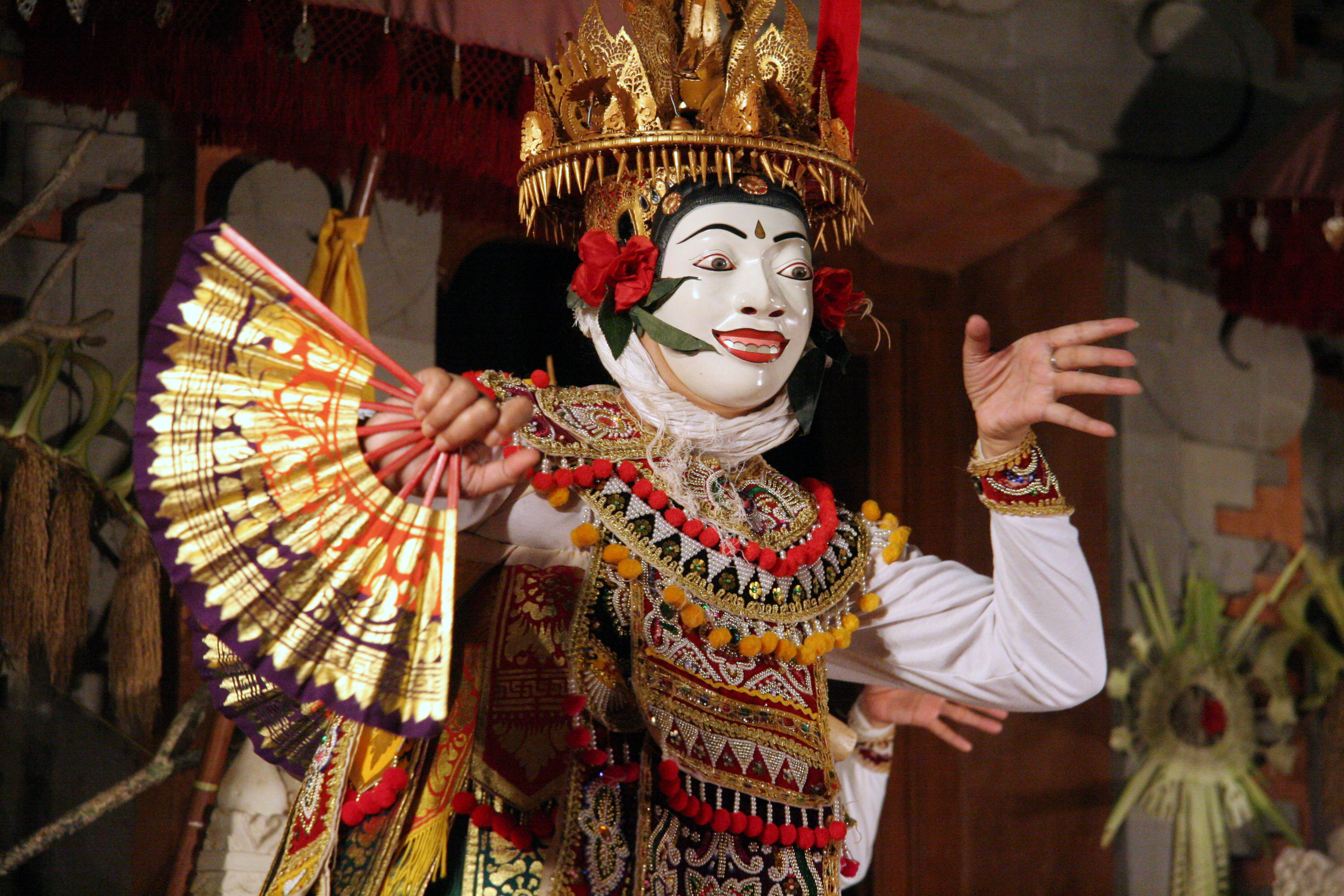
Indonesia: Bali-Danse_0710a.jpg
Samba: 7017859409_d6c8314445_h.jpg
Heart faced emoji on book: http://www.hey.fr/tools/emoji/ios_emoji_smiling_face_with_heart-shaped_eyes.png




No comments:
Post a Comment
Thanks for commenting! :)